
"coffee plantations China"
2000 article(s) found

Love Coffee Manor Love Coffee Coffee the latest introduction to the development history of love coffee manor
Aiyi Manor Coffee is a leading brand of Chinese coffee, which integrates coffee cultivation, primary processing, intensive processing, product research and development, trade and brand marketing. Over the past 15 years, it has been committed to bringing Yunnan coffee into the international coffee market, and after earning a reputation for Yunnan coffee in the international market, Aiyi Group began to shift its strategy from the international export market.

History of introduction and expansion of Coffee in China in the early stage of Coffee Development (5)
1. From the first peak period of the development of China's coffee industry (1952-1961) to the late 1940s, according to recorded figures, there are 2173.33 hectares of rubber plantations in Hainan Island, with a total of 867600 rubber trees, with an annual output of 199,000 tons of dry rubber, and more than 300,000 coffee plants. the annual output of coffee beans is 1 ton. According to a survey in the early 1950s, there was a large amount of coffee left in Fushan area of Chengmai County, with a total of 70,000.

Chinese coffee has experienced a low period of national macro-adjustment.
In August 1960, the CPC Central Committee put forward the eight-character policy of readjusting, consolidating, enriching, and improving, and once again stressed the need to shorten the capital construction front. It was only after the 7,000-member meeting was held in early 1962 that the Central Committee gradually agreed. In April 1962, after the Central Financial and Economic Group approved and transferred the report of the Central Financial and Economic Group on discussing the 1962 adjustment plan, it was only after the Central Committee of the Central Committee of Finance and Economics approved and transferred the report of the Central Financial and Economic Group on the discussion of the 1962 adjustment plan that the problem that the infrastructure front had been too long for many years was taken seriously.

Introduction to the characteristics of Kenyan Jinchu Coffee with Fruit Flavor
The coast of China Coffee Network is plain, and most of the rest are plateaus with an average elevation of 1500 meters. The East African Rift Valley, Mount Kenya, the highest peak in Kenya, the eastern branch of Mount Kenya cuts across the north and south of the plateau, dividing the highland into east and west. The bottom of the Great Rift Valley is 450 mi 1000 meters below the plateau, 50 mi 100 km wide, with lakes of different depths and many standing.

A brief introduction to the cultivation of Galapagos boutique coffee beans with pleasant aroma, geographical location, climate and altitude
ES Coffee is a clean organic coffee grown on the slopes of the Andes in Latin America. It is 100% pure coffee, and the quality of our coffee has been guaranteed and improved by working to improve the economic and working conditions of the plantation, while maintaining the small scale of the coffee plantation and the biodiversity in the hospital. In addition, it is a very important economic source of coffee origin.

The spread and Development of Coffee in China introduction to Cultural differences in Market Analysis
An introduction to the Cultural differences in the spread and Development of Coffee in China Today, there are considerable coffee planting bases in Yunnan, Hainan, Guangxi, Guangdong and other provinces in China. Some world-famous coffee companies, such as Maxwell, Nestl é, Colombia and so on, have set up branches in China. They not only sell coffee products to China, but also from Chinese coffee planting bases.

Spread and Development of Coffee in China-Coffee and Western Culture
The spread and development of coffee in China-Coffee and Western culture The huge potential of China's coffee market cannot be ignored. Some internationally renowned coffee companies have chosen Shanghai as their production base and adopted long-term strategies to expand China's market.

Hougu Coffee step Mai Tai is in crisis, called debt 2 billion, calls on banks to reduce pressure.
Bank loans and liabilities totaled 2 billion yuan. After more than a month of self-struggle, Xiong Xiangren finally plucked up his courage and shook out the burden on his heart and enterprise. The founder of Hougu Coffee, China's largest instant coffee producer, did not disguise the debt crisis faced by the company's high debt. Yesterday (February 9) afternoon, Hougu Coffee held a special news in Kunming.

China wants to export coffee to become a major global coffee production base
China's coffee production and consumption China believes it has enough strength to compete with the world's two largest coffee producers: Brazil and Colombia, which produce 5.12 million bags and 1.25 million bags (60kg each), respectively. These two countries account for more than 50% of global coffee production. Vietnam in Asia relies on the cultivation of robusta coffee (robusta).

Introduction to the Origin of Coffee in Yunnan small Coffee Plantation
Yunnan's high-quality geographical and climatic conditions provide good conditions for the growth of small-grain coffee. The planting areas are Lincang, Baoshan, Simao, Xishuangbanna, Dehong and other prefectures. Dehong Hougu Coffee Co., Ltd. is better. Small-grain coffee in the Science and Technology Museum, No. 1 Cuihu West Road, Kunming, Yunnan Province, is suitable for growing in the mountains at an altitude of 800 to 1800 meters. If the elevation is too high, it will taste sour, and if it is too low, it will taste bitter.

What are the varieties of Arabica? what are the varieties of Arabica coffee beans?
For more information on coffee beans, please follow the Coffee Workshop (official Wechat account cafe_style) in 1981, Francisco Manchame, who runs a coffee farm in Camotan, Chiquimura, built a small Catimor plantation near the Pacamara tree. By means of natural hybridization

The History of Coffee introduction and expansion in China in the early stage (5)
1. From the first peak period of the development of China's coffee industry (1952-1961) to the late 1940s, according to recorded figures, there are 2173.33 hectares of rubber plantations in Hainan Island, with a total of 867600 rubber trees, with an annual output of 199,000 tons of dry rubber, and more than 300,000 coffee plants. the annual output of coffee beans is 1 ton. According to a survey in the early 1950s, there was a large amount of coffee left in Fushan area of Chengmai County, with a total of 70,000.
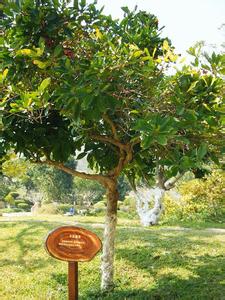
How many years can coffee trees be planted before they have commercial value-how can coffee trees be planted in China
How many years can coffee trees be planted in China? coffee trees can only grow in the tropics and subtropics. Coffee trees can grow in different climates, soils, elevations and rainfall in the middle of the coffee belt. Coffee trees thrive in the hot and humid canyons and forest rainforests of Africa; they still produce high quality in cold, foggy, windy Central America.
Coffee planting History of Coffee introduction and expansion in China in the early stage (5)
1. From the first peak period of the development of China's coffee industry (1952-1961) to the late 1940s, according to recorded figures, there are 2173.33 hectares of rubber plantations in Hainan Island, with a total of 867600 rubber trees, with an annual output of 199,000 tons of dry rubber, and more than 300,000 coffee plants. the annual output of coffee beans is 1 ton. According to a survey in the early 1950s, there was a large amount of coffee left in Fushan area of Chengmai County, with a total of 70,000.

CAFFE PASCUCCI reappeared at China franchise Exhibition with high-end coffee.
The 2017 China franchise Exhibition held at the Beijing National Convention Center from March 3 to 5 brought together nearly 300 participating brands, making it the largest franchise exhibition in the world. CAFFE PASCUCCI, a century-old Italian coffee brand, once again appeared at the China franchise Exhibition this year, bringing a model of high-quality Italian coffee to investors. Big brands such as CAFFE PASCUCCI have entered China one after another.

History of Colombian Coffee beans Green Gold China Coffee Trading Network
History traces back to Colombian coffee brand Colombian coffee brand (9) the history of coffee cultivation in Colombia can be traced back to the Spanish colonial era in the 16th century, and there are many theories about the history of coffee in Colombia: one: it is said to come from the island of the Caribbean and by sea through El Salvador in Central America. Second: in 1808, a priest came from French Ann.

Find out where to grow coffee in China| How do coffee beans grow?
Professional coffee knowledge exchange More coffee bean information Please pay attention to coffee workshop (Weixin Official Accounts cafe_style) Coffee is generally planted in tropical and subtropical areas before 25 degrees north and south latitude, only these countries and regions have the conditions for planting coffee; coffee planting takes 3~5 years to bloom and bear fruit; good shading effect, high altitude, volcanic rock areas, good bean seeds

Costa Rican coffee plantations Costa Rican coffee growing areas
Full-bodied particles, ideal acidity, unique and intense aroma. Tarrazu, Costa Rica, is one of the world's leading coffee producers, producing coffee with a light, pure flavor and pleasant aroma. Costa Rica's volcanic soils are fertile and well drained, making it the first country in Central America to grow coffee and bananas for commercial value. Coffee and bananas are the country's staple foods.

Costa Rican coffee plantations Costa Rican coffee growing areas
Full-bodied particles, ideal acidity, unique and intense aroma. Tarrazu, Costa Rica, is one of the world's leading coffee producers, producing coffee with a light, pure flavor and pleasant aroma. Costa Rica's volcanic soils are fertile and well drained, making it the first country in Central America to grow coffee and bananas for commercial value. Coffee and bananas are the country's staple foods.

Nestl é expands the scale of purchasing coffee beans in China and is optimistic about the Chinese market.
Yunnan Pu'er is an important planting base of Nestle Coffee, and the settlement of Nestle Coffee Center seems reasonable. Statistics show that there are about 123000 farmers in Yunnan, planting an area of about 124000 hectares of coffee, while the annual output of raw coffee beans is 70, 000 to 100000 tons. The Nestle Coffee Center, completed on March 23 in Pu'er City, covers an area of 30,000 square meters. According to the project planning, the central planning